

Marketing Lessons from Bernie and The Donald
FDR used the radio to speak to a nation with his fireside chats. John F. Kennedy took advantage of television to display his charm and good looks. Barack Obama used the Internet to break down communication barriers and be accessible to minority groups and young voters often untouched by political campaigning. Looking back, these strategies seem like no-brainers. However, in their time, these approaches were questioned and even criticized. The lesson – those who learn to embrace the media environment of the time WIN. The trend continues … as we see both Donald Trump and Bernie Sanders innovatively using social media and finding success in the 2016 Presidential Election campaign process. Political ad spending is to reach an astonishing $11.5 billion. Spending on social media is estimated to account for more than half of the $1 billion budget for digital media.
So – how does a reality TV star/billionaire businessman and a 74-year old anti-establishment Senator find themselves taking prominent positions in the 2016 race? Simply put, they both learned how to connect with people … and using social media to do just that is a big part of their strategy.
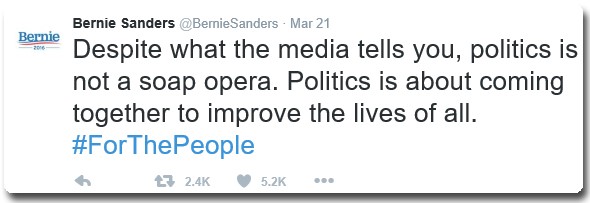
If you logged onto Facebook, Twitter, Tumblr, or Instagram, you have probably seen Bernie’s #FeeltheBerncampaign slogan. According to Winnie Wong, digital strategist for the Sanders campaign, the goal was “to find something that would carry his name all across the Internet and be more than just a hashtag.” Wong describes the Internet as a “way you can express yourself in a very democratic way” and describes the strategy to bring people together to discuss and promote Sanders policies, platform, and 40 years of dedicated service. Many experts attribute Sanders’ social media success to his authenticity – noting that he often writes his own posts and tweets. Bernie said of his own posts, “Usually, it’s in the shower where something pops into my head.” With millions of online followers and over $96 million in campaign donations coming mostly in small amounts less than $200 per donation, his social media connection appears to be working and is in large part responsible for the success of Sander’s “political revolution.”
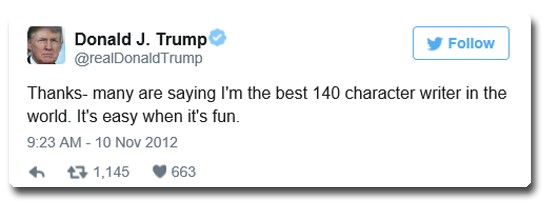
And what of Donald Trump? He has millions of followers on Twitter, Facebook, Vine, and Instagram. He uses Periscope and YouTube. His own personal view is that he “understands social media maybe better than anybody else,” even calling himself “the Ernest Hemingway of 140 characters.” He often tweets personal things about himself and his family and frequently thanks his supporters. He participates in gossip and popular culture. The result – many feel like he is “one of them.” They believe he is more in-touch with them than other politicians. Just like Sanders, Trump has found success in connecting with people.
Is there a lesson here for financial institutions? Can financial institutions build an emotional connection with customers and therefore build a relationship? Experts say yes – but many believe there may need to be a “rediscovery of social media”. Many financial institutions rushed to social media without having a well thought-out strategy – or any strategy at all. The result – many financial institutions have abandoned twitter, Facebook, and other social media venues. Banks and Credit Unions have always spent considerable time and money on print ad strategies, considering things like demographics, circulations, and costs. A similar strategic approach must be taken with the digital field … with care taken to leverage analytics, add elements such as video and social feeds, and give customers mobile options they crave. It is simply another way to connect with people. Your strategy and authentic approach can be your game-changer …. Just like it has been for Donald and Bernie. And remember – those who learn to embrace the media environment of the time WIN.